Have you ever seen tropical humidity silently destroy heavy electrical equipment before it even reaches a utility pole? I certainly have. Picture a flatbed truck navigating a deeply rutted, unpaved jungle road. Every violent bounce threatens the structural integrity of the cargo. A pole-mounted asset represents a massive grid investment. Yet, substandard packaging frequently causes aggressive rust, micro-fractures in porcelain insulators, and catastrophic dielectric fluid leaks long before the installation crew even opens the crate.
In this comprehensive engineering guide, we break down advanced packaging techniques tailored specifically for harsh environments. We will cover the precise, field-tested methods for securing, hermetically sealing, and physically protecting your units against equatorial extremes.
Moisture is the Primary Enemy: Utilizing Volatile Corrosion Inhibitor packaging and industrial desiccants is absolutely non-negotiable for tropical climates where condensation cycles are severe.
Immobilization is Crucial: The unit must be securely bolted to a heavy-duty, ISPM-15 certified wooden skid. This prevents tipping and vibration damage during brutal last-mile transit.
Protecting Fragile Components: High-voltage bushings, cooling fins, and external gauges require custom blocking, bracing, and physical barriers to survive mechanical impacts.
Holistic Shipping Standards: Supplementary equipment must be packed with the exact same rigorous moisture and impact standards to ensure seamless site deployment.
It is crucial for procurement managers and logistics coordinators to recognize that shipping heavy electrical infrastructure to tropical regions introduces a unique matrix of environmental and mechanical hazards. Standard domestic packaging protocols will fail under the relentless rigors of equatorial transit.
Recent industry data reveals a massive surge in rural electrification and decentralized grid projects across Southeast Asia, Sub-Saharan Africa, and the Caribbean. This operational shift demands grid assets that can survive prolonged exposure to monsoon conditions. However, logistics infrastructure in these emerging markets remains largely underdeveloped. Last-mile delivery often involves unpaved dirt roads, steep gradients, and makeshift lifting equipment. Consequently, the packaging must act as a rugged exoskeleton, engineered to absorb kinetic energy and prevent internal core shifts.
Ocean freight routing through tropical zones exposes cargo to extreme temperature fluctuations. During the peak of the day, the internal temperature of a steel shipping container can easily exceed 60 degrees Celsius. Conversely, as temperatures drop rapidly at night, the trapped humid air reaches its dew point. This results in a damaging phenomenon known as container rain. This continuous cycle of evaporation and condensation bathes the equipment in moisture. Without appropriate vapor barriers, rapid oxidation of carbon steel tanks and degradation of rubber seals are inevitable.
Furthermore, tropical deployment sites are frequently located in coastal or island regions where airborne salinity is exceptionally high. Salt spray introduces chlorides that aggressively attack standard industrial paint finishes. If the protective coating is even slightly scratched during transit and exposed to this salty air, galvanic corrosion accelerates immediately. Protecting the exterior tank during transit is just as critical as shielding the internal windings.
Effective packaging begins on the factory floor, long before a single piece of lumber is cut for the crate. Factory-level preparation ensures the unit is hermetically sealed and chemically protected against impending environmental stress.
Before any packing materials are applied, the unit must undergo a rigorous pre-shipment inspection. Electrical technicians verify that all valves, drain plugs, and pressure relief devices are tightened using calibrated torque wrenches to exact specifications. Nitrile or Viton gaskets must be visually inspected for proper seating. For example, when preparing an Overhead distribution transformer rated for 34.5 kilovolts with a capacity up to 333 kilovolt-amperes, ensuring a flawless hermetic seal is critical. This prevents oil seepage during turbulent ocean transit and blocks humid air from contaminating the dielectric fluid.
The first line of defense against a tropical climate is the surface coating. The tank should be pre-treated with marine-grade protective coatings. We typically specify a zinc-rich epoxy primer followed by a durable polyurethane topcoat. Logistics teams should request a Dry Film Thickness report to confirm the paint meets ISO 12944 standards for C5 corrosive environments. In addition, exposed metal parts like lifting lugs must be coated with a temporary rust preventative compound.
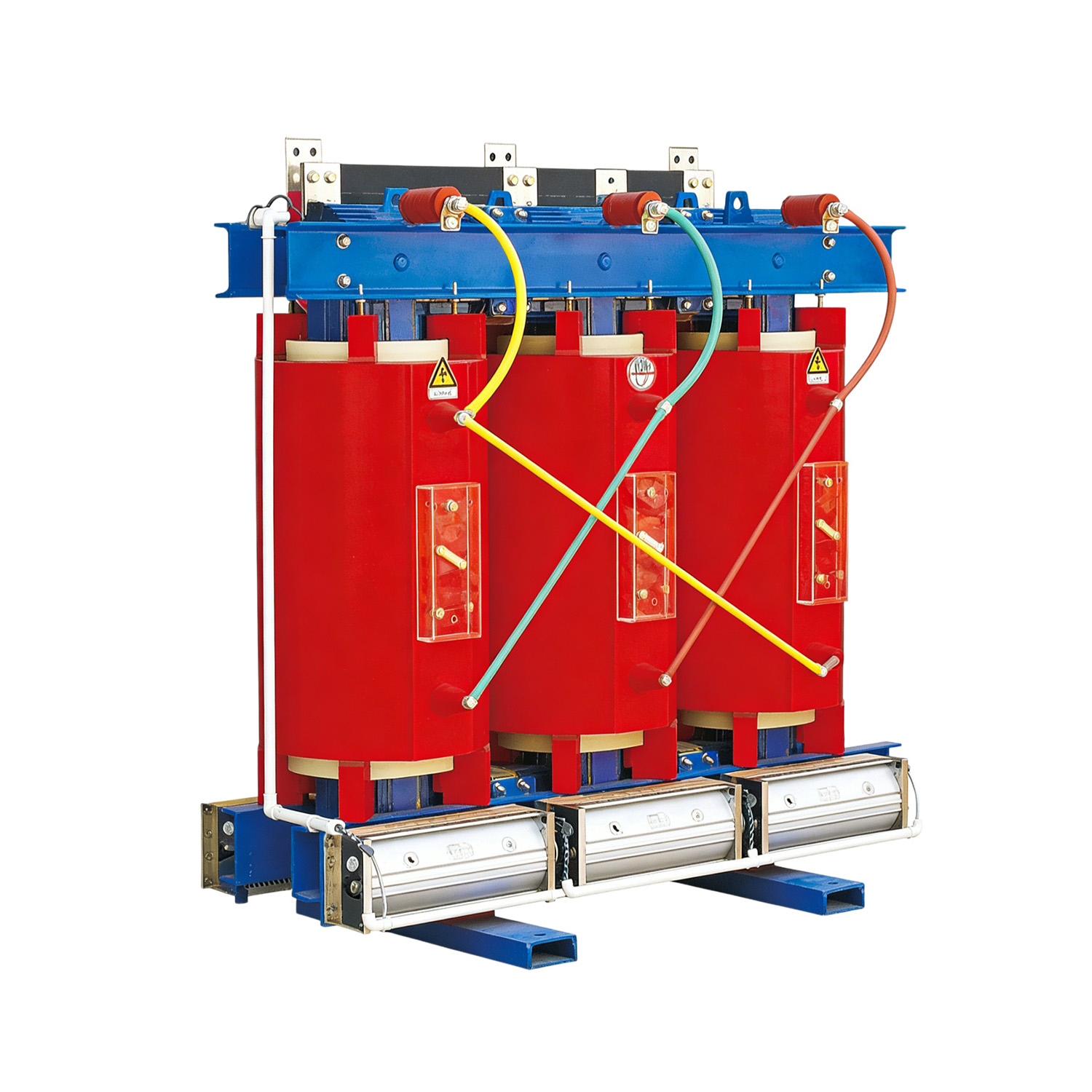
The preparation methodology diverges significantly depending on the insulation medium. Oil-filled units are naturally protected internally by the dielectric oil. Therefore, preparation focuses heavily on exterior tank integrity. In contrast, when shipping Safe Dry Type Transformers, particularly cast resin models handling capacities up to 3150 kilovolt-amperes, the exposed internal coils require extreme moisture barriers. These dry variants demand strict vacuum-sealing and aggressive humidity control within the packaging to prevent the resin insulation from absorbing ambient moisture. Failure to do so leads to catastrophic partial discharge upon energization.
Selecting the correct packaging materials is a precise engineering calculation. Utilizing substandard wood or inadequate moisture barriers practically guarantees equipment degradation before it reaches the site.
International shipping frameworks dictate that all solid wood packaging materials must be ISPM-15 certified. This means the timber has been heat-treated or fumigated to eradicate pests. Customs officials will immediately quarantine shipments utilizing untreated wood. Moreover, the base skid must be engineered from heavy-duty timber, such as oak or dense pine. This robust foundation is necessary to support the highly asymmetrical weight distribution inherent to overhead units.
Standard plastic shrink wrap is entirely insufficient for tropical exports. Volatile Corrosion Inhibitor film is a strict requirement. These advanced materials release specialized chemical vapors that condense onto the metal surfaces, forming a microscopic protective layer. This invisible shield repels moisture and breaks the electrochemical corrosion cycle. The film must be carefully draped around the entire unit and heat-shrunk to create a taut, wind-proof envelope.
To manage the micro-climate inside the vapor envelope, active industrial desiccants like silica gel or activated bentonite clay must be deployed. The volume of desiccant is calculated based on the internal cubic capacity and the expected transit duration. Below is our field-tested reference guide for determining desiccant loads based on crate volume.
Crate Volume in Cubic Feet | Recommended Desiccant Units for Rigid Crates | Required Moisture Barrier Standard |
|---|---|---|
10 to 20 | 8 Units | Minimum 6-mil Volatile Corrosion Inhibitor Film |
21 to 50 | 16 Units | Minimum 6-mil Volatile Corrosion Inhibitor Film |
51 to 100 | 32 Units | Vacuum Sealed Aluminum Foil Barrier |
101 to 200 | 64 Units | Vacuum Sealed Aluminum Foil Barrier |
Note: One unit of desiccant equals approximately 33 grams of silica gel. Humidity indicator cards should be placed visibly inside the wrap to allow port inspectors to verify internal conditions without breaking the hermetic seal.
Executing the packing process demands meticulous attention to detail. Field engineers know that cutting corners here leads to massive delays later.
The foundation of safe transport is complete immobilization. The mounting brackets and base must be bolted directly to the wooden pallet using high-tensile Grade 8 steel bolts. To dampen high-frequency maritime engine vibrations, anti-vibration rubber pads should be placed between the metal base and the wooden skid. The unit must never rely on friction or nylon strapping alone to stay upright.
High-voltage porcelain or polymer bushings are the most fragile external components. They must be protected using custom-cut wooden collars or dense expanded polyethylene foam blocks. These isolate the bushings from any sudden impact. Similarly, cooling fins are highly susceptible to bending. They should be shielded with heavy-duty corrugated plastic sheets, ensuring no packing material applies direct pressure to the fragile sheds of the insulators.
Once the unit is mechanically secured, desiccant bags are tied to the lifting lugs. Care must be taken to ensure they do not touch the painted surface directly, as saturated desiccants can cause localized blistering. The protective film is then draped over the entire structure, pulled down to the wooden skid, and sealed. Finally, the outer wooden crate is constructed with diagonal cross-bracing to withstand compression forces during container stacking.
When deploying electrical infrastructure, logistics coordinators often focus entirely on the primary tank. However, a grid asset relies on a network of supplementary components to function safely. If the main unit arrives intact but the metering equipment is compromised by corrosion, the entire project faces severe delays.
Metering and protection systems are highly sensitive to both mechanical shock and environmental degradation. An Electrical Current Transformer requires specialized handling. The magnetic cores and secondary windings within these devices are precisely calibrated. Exposure to high humidity causes microscopic oxidation on the core laminations, permanently skewing the metering accuracy.
To mitigate these risks, auxiliary devices must be isolated in separate, heavy-duty custom wooden enclosures. Inside these containers, the units should be wrapped in protective bags alongside active silica gel. Because they are vulnerable to vibration, the void spaces within their boxes must be filled with high-density polyurethane foam.
Mounting hardware, surge arresters, and grounding brackets are frequently treated as afterthoughts. In coastal regions, exposed galvanized steel components begin to oxidize before they are even removed from the shipping container. All metallic accessories should be coated with a thin layer of rust-preventative oil prior to packaging, then sealed in heavy-duty polyethylene bags.
While rigorous export packaging is the first line of defense against logistical hazards, it cannot compensate for equipment that is fundamentally unsuited for harsh environments. Standard domestic units coated with basic paints will degrade rapidly in a tropical coastal environment, regardless of how well they were initially packaged.
Procurement managers must view packaging and product engineering as a unified strategy. Sourcing Efficient transformer solutions engineered specifically to withstand high humidity and extreme temperatures ultimately reduces the burden on logistics. Engineers specifying equipment for these regions should demand marine-grade surface treatments and ensure all external fasteners are manufactured from 304 or 316-grade stainless steel to prevent galvanic corrosion.
Specifically, the global push toward decarbonization relies heavily on Renewable Energy Transformers to step up the voltage generated by solar inverters. These applications demand exceptional reliability. Replacement parts for isolated island microgrids or deep-jungle installations can take months to arrive. By investing in resilient manufacturing standards combined with flawless export packaging, utilities ensure decades of uninterrupted power.
Absolutely not. They must always be shipped, stored, and handled in a vertical, upright position. Shipping an oil-filled unit horizontally causes the internal dielectric fluid to displace, exposing the active core and paper insulation to air. This displacement traps air bubbles within the windings, drastically reducing dielectric strength and leading to immediate failure upon energization. Horizontal positioning also places immense stress on the fragile high-voltage bushings.
When properly engineered, a high-quality vapor packaging system can protect heavy electrical equipment for 12 to 24 months. The effectiveness depends entirely on creating a flawless hermetic seal and utilizing the correct ratio of industrial desiccants. However, if the external plastic barrier is punctured during transit, the protective vapor escapes, and corrosion resistance is compromised within weeks.
Oil-filled distribution units are naturally protected internally because the core and coils are submerged in dielectric fluid, which acts as a moisture barrier. The packaging strategy focuses on exterior tank preservation and mechanical impact protection. Conversely, dry type units feature exposed internal coils. If exposed to tropical humidity, the insulation absorbs moisture, leading to catastrophic short circuits. Therefore, dry types require much stricter vacuum-sealed aluminum moisture barriers and high-capacity desiccant loads.
The ISPM-15 regulation is a global environmental treaty designed to prevent the cross-border spread of wood-boring insects and timber diseases. Wood used for export crating must be debarked and subjected to specific heat treatment or fumigation processes. Customs officials strictly enforce this. If equipment arrives on an untreated wooden skid, authorities will immediately reject the shipment or order the entire cargo destroyed.
Accountability is a major challenge in international logistics. We strongly recommend installing passive impact indicators, such as 25G shock labels, and tilt indicators set to 65 degrees on the exterior crate. These devices permanently change color if subjected to excessive g-forces or dangerous tipping. If triggered, receiving engineers immediately know the asset must undergo rigorous internal electrical testing before being energized.
High-voltage porcelain bushings are highly brittle. To prevent damage from maritime engine vibrations and container swaying, bushings must never bear any load from the packaging material. We utilize custom-routed expanded polyethylene foam blocks that surround the base of the bushing without touching the fragile sheds. Additionally, the crate's internal cross-bracing must be designed to leave a minimum clearance of four inches around all external insulators.
Shipping critical electrical infrastructure across the globe requires more than just sturdy wood and plastic wrap. It requires a deep understanding of environmental stressors, mechanical dynamics, and superior product engineering. Don't let substandard logistics jeopardize your next rural electrification or renewable energy project.
For robust, climate-resilient power solutions engineered to survive the world's toughest environments, explore the comprehensive range of equipment at Sline Electric. Visit https://www.slineelectric.com to find the exact specifications you need to ensure your grid assets arrive safely and operate flawlessly for decades.